Party planning9 min read
Soft Play vs Bounce House: What’s Best for Toddlers?
Overview
Planning a birthday party for a toddler comes with a unique set of challenges. You want to create an exciting, memorable environment, but you also need to prioritize safety, age-appropriateness, and sensory needs. If you find yourself organizing an event for the one-to-three-year-old crowd, you likely face a common dilemma: should you rent a soft play setup or a traditional bounce house?
In this guide
Both options offer incredible fun, but they serve different developmental needs and come with distinct safety considerations. Making the right choice ensures the little ones stay engaged, secure, and happy throughout the celebration, while giving parents peace of mind.
In this comprehensive guide, we will break down the differences between soft play environments and bounce houses. We will explore the safety standards, developmental advantages, physical benefits, and setup logistics for each option. By the end, you will know exactly how to choose the perfect entertainment for your upcoming Bay Area event.
Understanding Toddler Play: What Little Ones Need
Before comparing equipment, we must understand how toddlers play. Children between the ages of one and three are in a crucial stage of physical and cognitive development. They are mastering walking, learning to climb, testing their balance, and constantly absorbing sensory information.
The Importance of Motor Skill Development
At this age, gross motor skills develop rapidly. Toddlers need safe spaces to practice pulling up, stepping over obstacles, crawling through tunnels, and eventually jumping. Equipment that encourages these movements helps build muscle strength and coordination. However, because their coordination is still developing, they also fall frequently. The ideal play environment must forgive these inevitable tumbles.
Sensory Processing and Overstimulation
Toddlers process the world through touch, sight, and sound. While bright colors and movement engage them, too much noise or chaotic activity can lead to sensory overload and meltdowns. The right party setup balances stimulation with safety, offering areas for active play alongside spaces for quiet exploration.
What is Soft Play?
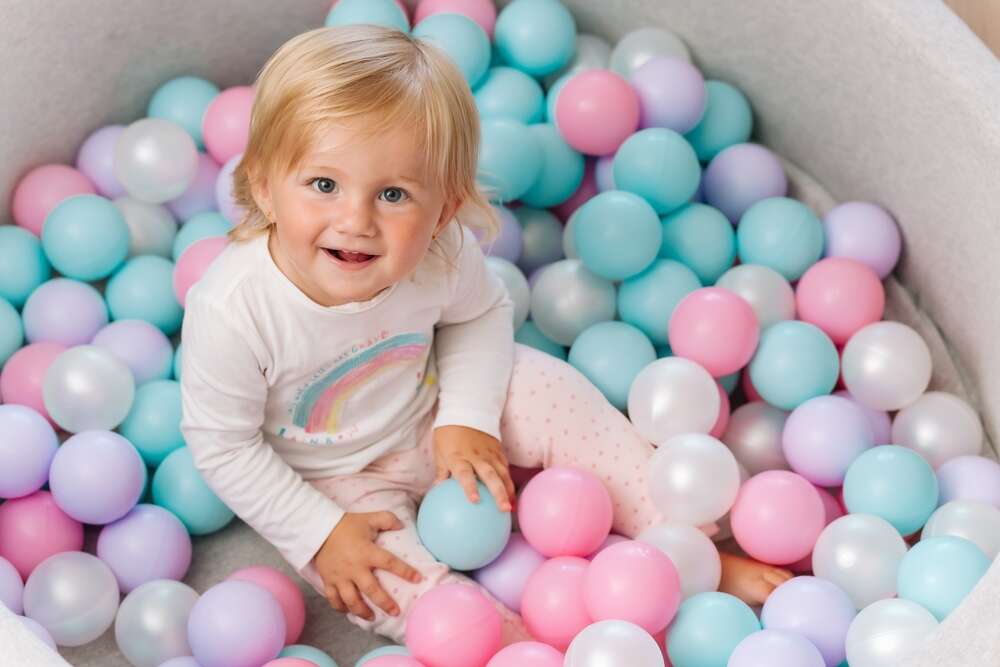
Soft play refers to a structured play area made entirely of dense foam shapes covered in soft, durable vinyl. These setups typically include foam blocks, small climbers, soft slides, rocking shapes, and often a ball pit. They sit on top of thick, interlocking foam mats to create a fully padded floor.
The Developmental Advantages of Soft Play
Soft play environments act as giant, padded puzzle rooms for toddlers. They encourage open-ended exploration. A child can choose to stack foam blocks, crawl through a tunnel, or navigate a gentle foam slide.
This type of play offers massive developmental benefits. It builds spatial awareness as children figure out how to maneuver their bodies around and over different shapes. Sorting and stacking soft blocks introduces early problem-solving skills and hand-eye coordination. Because the environment is ground-level and fully padded, toddlers feel empowered to test their boundaries—like balancing on one foot or climbing a small incline—without fear of getting hurt.
Soft Play Safety Standards
When it comes to toddler safety, soft play reigns supreme. Since everything is at ground level, the risk of significant falls is virtually eliminated. The surrounding safety gates keep wandering toddlers contained in a secure zone, allowing parents to socialize while keeping a close eye on their children.
Furthermore, reputable rental companies strictly sanitize this equipment. High-quality vinyl covers resist absorbing liquids and can be thoroughly disinfected between uses. If you are planning an event for infants and toddlers, exploring soft play rentals in the Bay Area provides a stress-free, remarkably safe entertainment solution.
What is a Bounce House?
A bounce house is an inflatable structure powered by a continuous air blower. They come in various themes, sizes, and configurations, often featuring jumping floors, inflatable walls, and sometimes attached slides or obstacle courses.
The Developmental Advantages of Bouncing
Bouncing is an incredible cardiovascular workout. For older toddlers who have confidently mastered walking and running, a bounce house offers an exciting way to burn off endless energy.
Jumping requires complex bilateral coordination. It forces a child to engage their core, push off with both feet simultaneously, and land in a balanced position. The unstable surface of a bounce house challenges their proprioception (the awareness of their body in space), which helps refine their sense of balance. For a busy two- or three-year-old, an afternoon in a bounce house can dramatically improve their physical confidence and stamina.
Bounce House Safety Standards
Bounce houses are thrilling, but they require strict safety protocols, especially when toddlers are involved. The primary risk in a bounce house involves collisions. If a three-year-old and a ten-year-old jump together, the weight difference creates an uneven bounce surface, leading to falls and potential injuries for the smaller child.
To keep toddlers safe in a bounce house, parents must strictly enforce age and size limits. Many modern bounce houses designed for younger children feature lower profiles, reinforced safety netting for easy supervision, and smaller jump areas to prevent overcrowding. Proper anchoring—whether using heavy sandbags indoors or deep stakes on grass—is non-negotiable to prevent the structure from shifting.
Head-to-Head Comparison: Soft Play vs. Bounce House
Now that we understand the basics of each option, let’s compare them directly across several key factors critical to planning a successful toddler party.
Age Appropriateness: Finding the Sweet Spot
Soft Play: This is the undisputed winner for the youngest guests. If your guest list primarily consists of infants, crawlers, and early walkers (ages 6 months to 2 years), soft play is your best option. It provides a gentle, non-intimidating environment where babies can safely crawl and toddlers can practice early walking skills without being bumped by larger children.
Bounce House: Inflatables are better suited for older toddlers and preschoolers (ages 2.5 and up). A child needs sturdy footing and good balance to enjoy a bounce house. If your child is newly walking, the uneven surface of an inflatable might frustrate or frighten them.
Physical Benefits and Limitations
Soft Play: The benefits lie in diverse motor skill development. Children stretch, climb, crawl, and balance. The limitation is energy expenditure; while it keeps them busy, an older, highly energetic toddler might eventually crave a higher-intensity activity.
Bounce House: The main benefit is intense aerobic exercise and gross motor refinement. The limitation is variety. Aside from jumping and falling, the physical movements are somewhat repetitive unless the inflatable includes a slide or obstacle course.
Space and Setup Requirements
Soft Play: Soft play setups are incredibly versatile. You can configure the fencing and mats to fit various shapes and sizes. They work beautifully indoors, making them perfect for living rooms, community halls, or garages. They require no electricity, which means no noisy generators or tripping hazards from extension cords.
Bounce House: Inflatables require significant space, not just for the footprint of the unit, but for overhead clearance and the blower tube. They must be placed on flat ground and require a dedicated electrical outlet within a reasonable distance to power the blower continuously.
Weather Considerations in the Bay Area
The Bay Area boasts a diverse microclimate. A sunny afternoon in San Jose might look very different from a foggy, damp morning in San Francisco.
Soft Play: Vinyl foam gets very hot in direct summer sunlight, which can burn sensitive toddler skin. If you use soft play outdoors during the warmer months, you must place it under a shaded canopy or trees. Conversely, it is entirely waterproof and easy to wipe down, but nobody wants to sit in damp soft play. Because it easily moves indoors, it serves as the ultimate weatherproof backup plan.
Bounce House: Bounce houses cannot be used in high winds or moderate rain due to safety hazards. However, on a mild, sunny day, they are a fantastic outdoor centerpiece.
Combining the Best of Both Worlds
What if your guest list includes a wide range of ages? It is very common for a two-year-old’s birthday party to include older siblings, cousins, and friends ranging up to eight years old. In this scenario, renting only a toddler-specific item leaves the older kids bored, while renting only a large bounce house puts the toddlers at risk.
Hybrid Party Setups
The most successful parties often feature a hybrid setup. By providing a dedicated soft play area for the babies and toddlers, and a separate bounce house for the older children, you ensure everyone plays safely.
Setting up a physical barrier, such as the safety gates provided with soft play packages, clearly designates the "toddler zone." This prevents older children from accidentally trampling the little ones while running to the bounce house. You can explore our extensive inventory on the Bay Area Kids Rentals homepage to build a custom package that caters to every age group at your event.
Managing Mixed Age Groups
If budget or space constraints mean you can only choose one piece of equipment, consider a toddler-specific bounce house with an attached ball pit. Alternatively, you can establish strict "time slots" for jumping—allowing the toddlers ten minutes of exclusive bounce time before letting the older kids take their turn. Communication with parents is key; clear rules ensure everyone stays safe and has fun.
How to Choose the Right Option for Your Bay Area Party
Making the final decision comes down to evaluating three main components: your venue, your guest list, and your child's personality.
Assessing Your Venue
Grab a tape measure and evaluate your space. If you are hosting inside a clubhouse with standard ceilings, a bounce house might not fit, making soft play the clear winner. If you have a sprawling backyard in the East Bay, you might easily accommodate a large inflatable. Always check the required dimensions for any rental equipment before booking, paying close attention to height requirements.
Knowing Your Guest List
Review your RSVPs. Count the exact number of children under the age of three. If that group makes up the majority of your attendees, a soft play area will get the most use. If the majority of kids are over three, with only one or two toddlers, lean toward a bounce house and perhaps add a small, standalone ball pit for the younger ones.
Consider Your Child's Personality
Every toddler is different. Does your child love rough-and-tumble play, jumping off couches, and running at full speed? They will likely thrive in a bounce house. Is your child more cautious, preferring to build with blocks, explore textures, and play independently? A soft play environment will keep them happily engaged for hours without causing them stress.
Bay Area Kids Rentals: Your Party Partners
Planning a child's birthday should be a joyful experience, not a stressful chore. Choosing the right equipment sets the foundation for a smooth, entertaining event. Whether you decide that the secure, exploratory environment of soft play is best for your crawler, or the energetic thrill of a bounce house is perfect for your active toddler, safety and quality should always come first.
At Bay Area Kids Rentals, we pride ourselves on providing meticulously cleaned, high-quality, and aesthetically pleasing party equipment designed specifically with young children in mind. We understand the specific needs of toddlers and the safety concerns of parents.
If you still feel unsure about which option best suits your space or guest list, we invite you to reach out. Visit our Contact Us page to speak with our event specialists who can help tailor a rental package to your exact needs. You can also browse our Frequently Asked Questions for more details on setup, delivery, and safety protocols.
By prioritizing your toddler's developmental stage and safety needs, you are guaranteed to host a beautiful, engaging, and unforgettable celebration.
Planning a party in the Bay Area?
Browse our bounce houses, soft play, kids furniture and more — delivered and set up for you.
Keep reading
Best Parks & Backyards in Oakland for Bounce House Parties
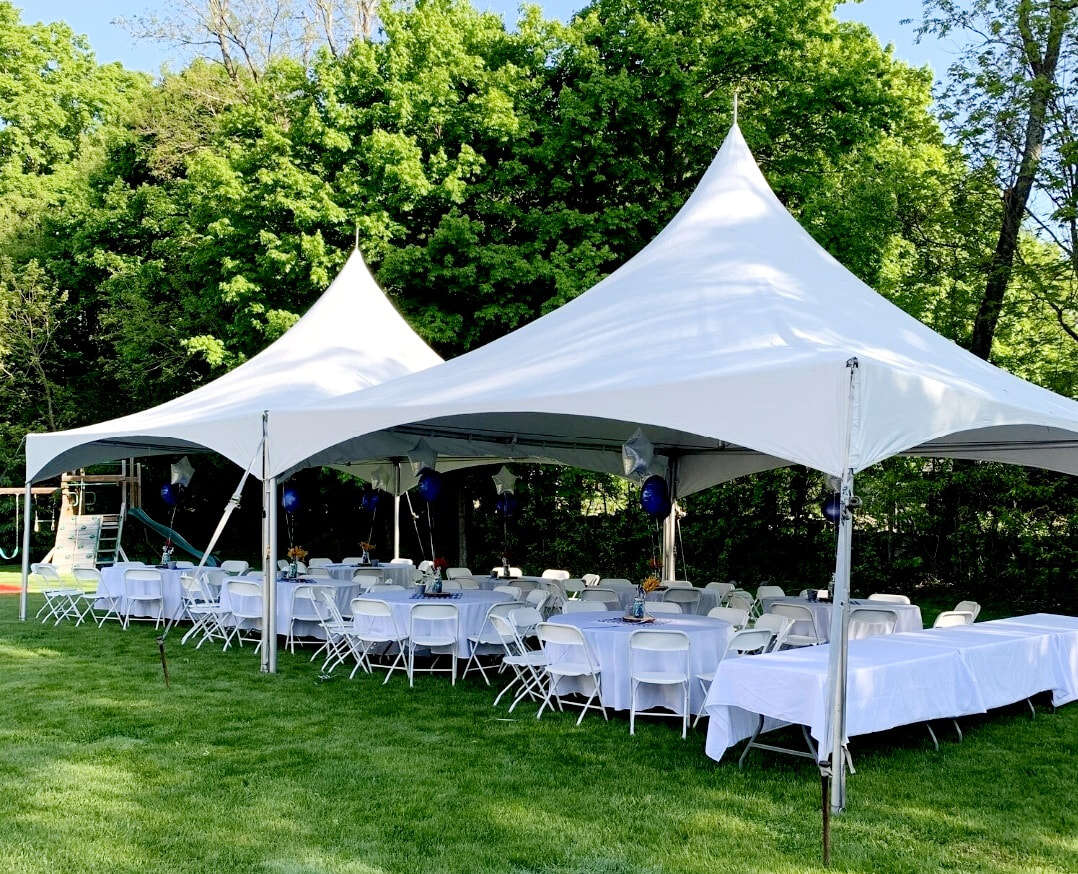
Finding the right venue is the very first hurdle you face when planning a memorable birthday celebration for your child. The location you choose dictates everything from your guest…
Read more
Indoor Party Ideas for Toddlers (Soft Play Setup Guide)
Planning a birthday party for a one-to-three-year-old requires precise attention to detail, safety, and engagement. Moving the celebration indoors offers an incredible way to manag…
Read more
Best Party Rentals in Oakland: What You Actually Need
Planning a children's birthday party requires careful coordination, especially when you want to create a memorable experience without the overwhelming stress. Oakland offers beauti…
Read more